
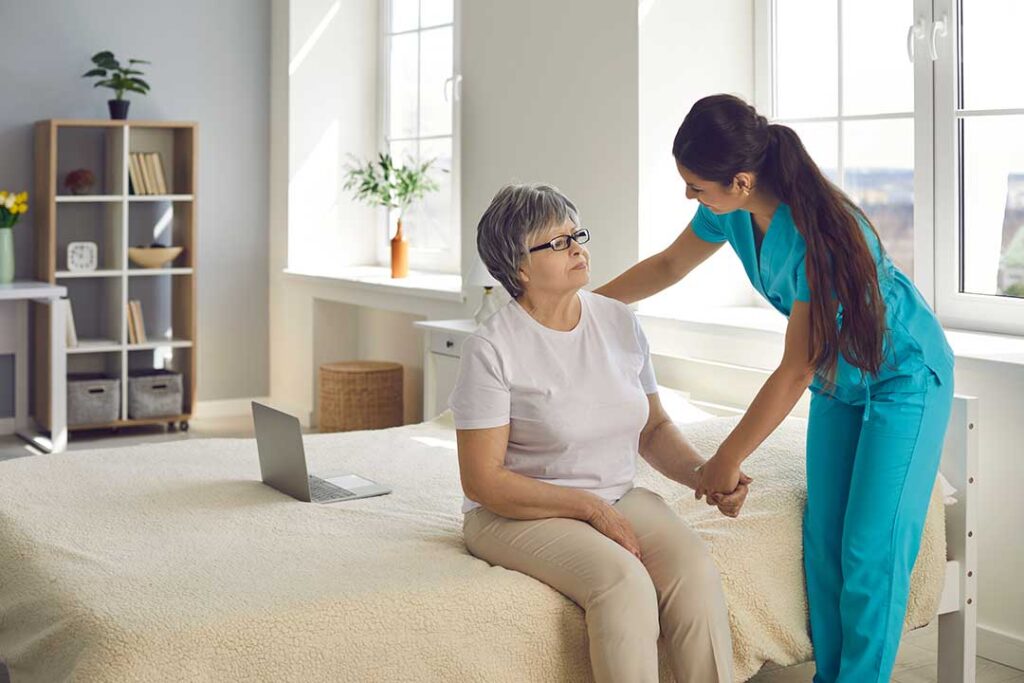
What health services are usually available in Huntingdon, PA?
Assisted living residences generally provide help with daily care, medications, health coordination, and changes in a resident’s condition. They are designed for people who need more support than independent living offers but do not require continuous skilled nursing care.
In Pennsylvania, assisted living residences may serve residents with higher care needs than personal care homes, while still focusing on residential support, independence, and aging in place. Services vary by residence and by each resident’s assessment and support plan. ([pa.gov](https://www.pa.gov/agencies/dhs/resources/aging-physical-disabilities/personal-care-homes?utm_source=openai))
Common services may include:
- Assistance with bathing, dressing, grooming, and toileting
- Help walking, transferring, repositioning, or using mobility equipment
- Medication reminders, medication setup, or medication administration
- Coordination with physicians, pharmacies, therapists, and family members
- Transportation or escort support for medical appointments
- Monitoring for changes in health, behavior, nutrition, or mobility
- Arranging supplemental services when a resident needs care beyond what the residence provides
The word “health services” does not always mean that a nurse or doctor is present around the clock. Assisted living is different from a nursing facility, hospital, or rehabilitation center. Understanding that distinction helps families plan realistically.
How does medication assistance work?
Medication support is one of the most common health-related services in assisted living. Depending on the resident’s abilities and the residence’s policies, staff may remind a person to take medication, help organize doses, assist with self-administration, or administer medications directly.
Medication assistance may involve:
- Maintaining a current medication list
- Coordinating prescription changes with medical offices and pharmacies
- Observing whether a resident takes medication as directed
- Recording administered doses
- Notifying appropriate parties about missed doses, side effects, or concerns
- Helping residents follow instructions for routine medications
A resident who manages medication independently may still need occasional reminders or help opening containers. Another resident may need full administration by trained staff. The level of support should be based on an assessment rather than an assumption about age or diagnosis.
Families should also ask how the residence handles medication changes after a hospital visit, especially when the resident returns with new prescriptions or discontinued medications. Clear communication is particularly useful during winter weather, when transportation delays or urgent care needs may complicate follow-up.
Is nursing care available?
Some assisted living residences have licensed nurses on staff or available on a scheduled or on-call basis. Nursing responsibilities may include health assessments, care planning, wound observation, communication with physicians, staff guidance, and monitoring of chronic conditions.
The exact nursing coverage can differ significantly. A nurse may not be physically present every hour of the day. Some residences rely on trained direct-care staff for routine observation and contact a nurse when concerns arise.
Assisted living may be able to support residents with stable conditions such as:
- Diabetes that is managed according to an established plan
- Controlled high blood pressure
- Arthritis and mobility limitations
- Mild memory loss
- Stable heart or lung conditions
- Recovery needs that do not require skilled nursing around the clock
A hospital stay, serious infection, repeated falls, uncontrolled symptoms, or a major change in mobility may require reassessment. In some cases, a resident may need home health services, rehabilitation, hospice care, or a nursing facility instead.
What help is available with personal care?
Personal care is closely connected to health and safety. Staff may help residents bathe, dress, use the toilet, brush their teeth, manage incontinence supplies, and maintain basic hygiene.
Assistance may also include:
- Getting in and out of bed or a chair
- Walking safely through the residence
- Eating and drinking
- Positioning in bed or a chair
- Using prosthetic devices or mobility equipment
- Selecting clothing appropriate for the season
- Recognizing when a resident needs more help than usual
This support can reduce risks related to falls, dehydration, poor nutrition, skin problems, and missed medication. It can also preserve dignity by allowing a resident to complete as much of each task as possible.
For households in a rural and four-season area such as Huntingdon, practical details matter. Snow, ice, wet footwear, and reduced daylight can affect walking safety and transportation. Families may want to ask how staff respond when outdoor conditions make appointments or errands more difficult.
How are doctor visits and outside services coordinated?
Assisted living staff commonly help arrange or coordinate medical appointments. This may include scheduling, arranging transportation, preparing paperwork, sharing relevant observations, and communicating follow-up instructions.
Some residences provide transportation directly, while others coordinate with outside transportation services or family members. Pennsylvania guidance identifies arranging medical care, making appointments, and transportation or escort support as services that may be available, depending on the residence and the resident’s needs. ([pa.gov](https://www.pa.gov/agencies/dhs/resources/aging-physical-disabilities/personal-care-homes?utm_source=openai))
Outside providers may also visit the residence. Depending on the resident’s condition, these may include:
- Physical, occupational, or speech therapists
- Home health nurses
- Podiatry or dental providers
- Mental health professionals
- Hospice staff
- Audiology or vision specialists

These services are not automatically included in the basic assisted living package. They may be arranged separately, billed through insurance, or coordinated through another agency.
What health monitoring happens day to day?
Routine observation is an important part of assisted living. Staff may notice changes that a resident or family member does not immediately recognize, such as increased confusion, reduced appetite, weakness, unusual sleepiness, shortness of breath, or changes in walking.
Monitoring may include:
- Weight or nutrition concerns
- Fluid intake
- Blood sugar checks when ordered and supported
- Skin condition
- Fall risk
- Mood and behavior changes
- Changes in continence
- Ability to complete familiar activities
Assisted living staff do not diagnose every change. Their role is often to recognize concerns, document them, follow the resident’s support plan, and communicate with the appropriate medical provider or family contact.
A sudden change—such as chest pain, severe breathing difficulty, signs of stroke, serious injury, or unresponsiveness—requires emergency medical attention rather than routine assisted living care.
Are therapy, hospice, or home health included?
Usually, these services are separate from standard assisted living services. A resident may receive them in the residence, but they are often delivered by outside clinicians under a separate plan of care.
Home health may provide skilled nursing, therapy, or other medically ordered services for eligible residents. Hospice focuses on comfort and quality of life for people with a life-limiting illness. Therapy may help with strength, balance, speech, daily activities, or recovery after illness.
The residence may coordinate access, provide a space for visits, and communicate with outside clinicians. It may not employ the clinicians or control the services they provide.
How can families compare health services fairly?
The most useful comparison is not simply whether a residence “has nursing.” Families should ask for specific details in writing, including:
- What services are included in the monthly agreement?
- Which services cost extra?
- Is a nurse present, on call, or available only during certain hours?
- Who administers medications?
- How are falls, infections, and hospital returns handled?
- Can the residence support insulin, oxygen, mobility equipment, or memory-related needs?
- How are medical appointments arranged during winter weather?
- What happens if a resident’s care needs increase?
- Which outside services may visit the residence?
- How are changes shared with family members?
Pennsylvania requires residences to describe the services they provide, and the resident-home contract should identify service charges and related terms. Reviewing those documents can prevent misunderstandings about what is included and what may require an additional arrangement. ([pa.gov](https://www.pa.gov/services/dhs/personal-care-home-services?utm_source=openai))
The central question is whether the available support matches the resident’s current needs while allowing room for reasonable changes over time. A careful review of medication practices, staffing, emergency procedures, transportation, and care limits gives families a clearer picture than a general service list alone.
