
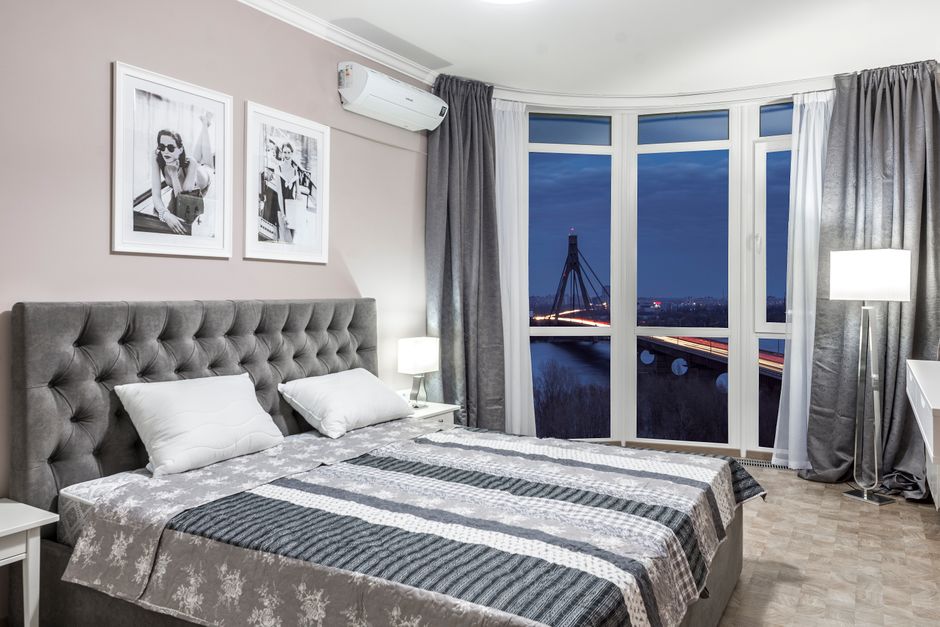
What can residents bring into an assisted living apartment?
Residents can usually bring familiar furniture, photographs, bedding, artwork, and everyday belongings, but the apartment should remain easy to move through and simple to keep organized. Before moving day, ask about room measurements, included furnishings, wall-mounting rules, electrical limitations, and any restrictions on rugs, candles, appliances, or other items.
An assisted living apartment often has less space than a previous home. The goal is not to recreate every room. It is to choose belongings that support comfort, routine, memory, and independence.
Useful items may include:
- A favorite chair with firm arms for easier sitting and standing
- A small table for reading, puzzles, or personal items
- Family photographs in lightweight frames
- A familiar quilt, blanket, or set of pillows
- A clock with large numbers and clear contrast
- A radio, books, or other preferred forms of entertainment
- A few meaningful decorations connected to hobbies, faith, family, or past work
A smaller number of carefully chosen possessions is often more helpful than a crowded room.
How should furniture be arranged for safety?
Furniture should leave a clear path between the bed, bathroom, seating area, closet, and entrance. Walkways should be wide enough for the resident’s usual mobility aid, including a cane, walker, or wheelchair if needed.
Avoid placing furniture where it creates sharp turns or narrow spaces. A chair that looks attractive but is difficult to stand from may become a daily obstacle. Low tables, unstable stools, and furniture with sharp corners also deserve careful consideration.
Keep frequently used items within easy reach. Glasses, a phone, tissues, water, reading materials, and a call device should not require stretching, bending, or climbing. If a resident needs help reaching something, the room arrangement should make that need obvious rather than hiding important items in drawers or high cabinets.
Rugs require particular care. Loose edges and curled corners can cause trips, especially when lighting is low or a resident is waking during the night. A bare, uncluttered floor is often safer than a decorative rug.
Which personal items provide the most comfort?
The most helpful belongings are usually connected to familiar routines and personal identity. A resident may feel more settled with a well-used reading lamp, a collection of family pictures, a sewing basket, or a favorite piece of artwork than with expensive new decorations.
Consider what the resident naturally reaches for during an ordinary day:
- Morning coffee or tea supplies, if permitted
- A favorite sweater or house robe
- A small collection of books
- Music associated with family gatherings
- A calendar, journal, or devotional material
- Craft supplies that can be stored safely
- A familiar scent from approved personal-care products
Personalization should reflect the resident’s current abilities, not only earlier interests. For example, a large-print book, simplified music player, or labeled storage basket may be more useful than an item that requires complicated setup.
How can photographs and decorations support memory?
Photographs can make an unfamiliar apartment feel recognizable and help start conversations with visitors and caregivers. Choose clear, meaningful images rather than covering every available surface.
A simple arrangement might include:
- Immediate family members with names written discreetly on the back
- Pictures of former homes, pets, vacations, or meaningful activities
- A small seasonal display that can be changed periodically
- A familiar landscape or artwork placed where it can be seen from the bed or chair
For residents experiencing memory loss, visual cues can also help with orientation. A distinctive wreath, framed name sign, or recognizable decoration near the apartment entrance may make the doorway easier to identify. Avoid displays that are visually confusing, overly reflective, or likely to be mistaken for an opening.
What should be considered for changing seasons?
Seasonal conditions in Huntingdon can affect comfort inside an apartment, especially during cold winters, hot summer periods, and changing weather in spring and fall. Personal items should support comfort without blocking heating or cooling equipment.
Useful seasonal planning may include:
- Lightweight layers that are easy to put on and remove
- A warm robe and nonslip footwear for colder months
- Window coverings that reduce glare while still allowing natural light
- A small fan only if it is permitted and safely positioned
- Moisture-resistant storage for seasonal clothing
- A clearly marked place for coats, hats, and outdoor footwear
Do not place furniture, blankets, or decorations over radiators, vents, thermostats, or emergency equipment. Excessive window coverings can also reduce natural light, which may affect visibility and daily orientation.
How can an apartment support independence?
A personalized apartment should make ordinary tasks easier. Place clothing, grooming supplies, reading materials, and personal electronics where the resident can reach them without assistance whenever possible.
Open shelving or labeled baskets may work better than deep drawers. Labels can use large, high-contrast lettering and simple words such as “shirts,” “socks,” or “mail.” Clear organization is especially useful when a resident has vision changes, arthritis, memory loss, or limited hand strength.
Lighting is another major part of independence. A bedside lamp with an easy-to-use switch, a night-light approved for the apartment, and brighter lighting near the closet or bathroom can reduce confusion and falls. Glare should be limited, since shiny surfaces can make it harder to see edges and changes in flooring.
Technology can be personalized as well. A simple phone, large-button remote, digital photo display, or voice-controlled device may be helpful if the resident can use it safely. Keep cords secured and avoid creating loops across walking paths.
What belongings should be avoided?
Some items create risks even though they may seem harmless in a private home. Policies vary, so the apartment’s guidelines should be reviewed before packing.
Use caution with:
- Candles, incense, or open-flame decorations
- Portable heaters or cooking appliances
- Extension cords and overloaded outlets
- Heavy furniture that cannot be moved safely
- Breakable objects placed near the bed or walkway
- Small items that may be choking hazards
- Strong fragrances that can bother other residents
- Plants with toxic leaves, sharp edges, or difficult watering needs
- Valuable jewelry, cash, or irreplaceable heirlooms
A valuable item may be emotionally meaningful, but displaying a photograph or placing the item in secure storage may be safer than keeping it in an easily accessible location.
How should family members personalize the apartment together?
The resident should guide decisions whenever possible. Family members may have strong ideas about what looks attractive, but the apartment belongs to the person who lives there. Comfort, familiarity, and function matter more than creating a room that resembles a showroom.
Before moving belongings, discuss:
- Which items feel most familiar
- What the resident uses every day
- What can be safely reached without help
- Whether the room feels too crowded or too empty
- Which possessions should remain at home
- How often seasonal items will be changed
It can help to arrange the main furniture first, then add personal items gradually. After several days, observe whether the resident can find the bathroom, locate clothing, operate the lighting, and move safely between important areas. Adjustments based on daily experience are usually more useful than trying to create a perfect arrangement on the first day.
Can an assisted living apartment be personalized over time?
Yes. Personalization does not have to be completed immediately. A resident’s needs, interests, mobility, and comfort may change after settling in.
A room may later need a different chair, fewer decorations, clearer labels, or more open floor space. Some residents benefit from rotating seasonal photographs or familiar objects, while others prefer the same arrangement every day.
The best apartment setup is recognizable, practical, and safe. It should help the resident feel connected to personal history while making present-day routines as simple and comfortable as possible.
