
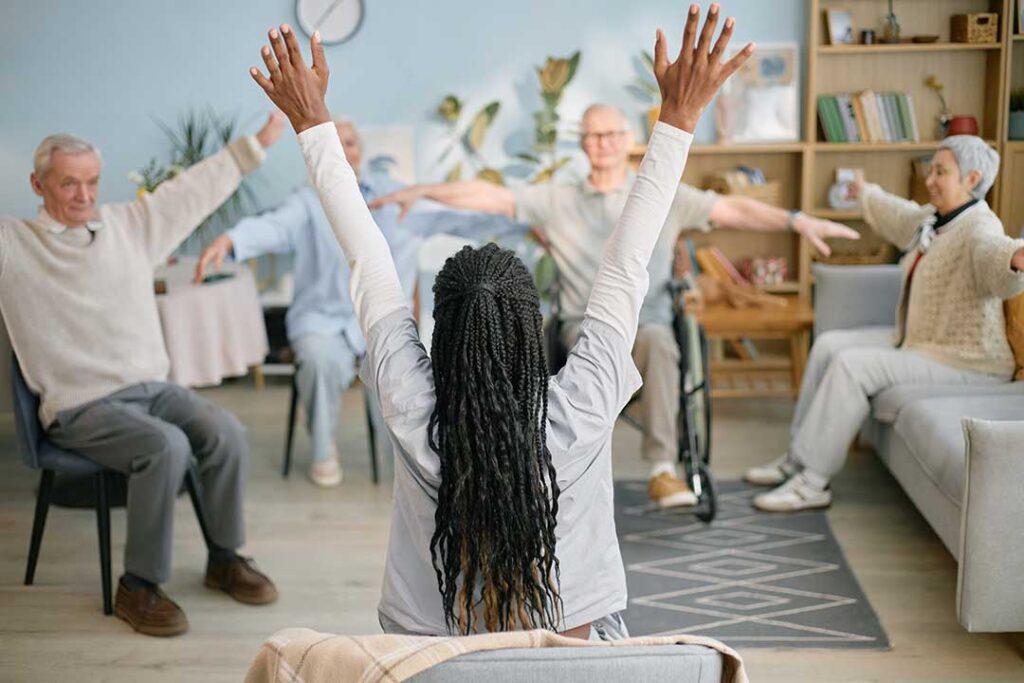
Assisted living can support an active lifestyle by combining daily movement, social connection, meaningful routines, and safer opportunities to participate. In Huntingdon, PA, this may be especially helpful for older adults who want to remain engaged while adapting activities to changing strength, balance, mobility, or energy levels.
What does an active lifestyle mean in assisted living?
An active lifestyle is not limited to strenuous exercise. It can include walking to meals, joining a group activity, tending plants, participating in a hobby, helping with a shared task, or spending time outdoors.
The goal is regular participation in activities that support physical function, mental alertness, emotional well-being, and social connection. A resident who uses a walker or needs rest periods can still lead an active life. Activities are generally adjusted to match individual abilities rather than expecting everyone to follow the same routine.
Common forms of activity include:
- Short walks through indoor or outdoor areas
- Seated stretching, balance exercises, or light strength activities
- Music, games, crafts, and discussion groups
- Gardening or seasonal outdoor projects
- Religious, cultural, or community-based activities
- Helping organize supplies, set tables, or welcome other residents
- Trips or outings that are appropriate for the person’s health and mobility
How does assisted living encourage regular movement?
Assisted living settings often make movement part of the daily routine instead of treating exercise as a separate task. Dining areas, activity rooms, common spaces, gardens, and outdoor paths may give residents natural reasons to walk and change position throughout the day.
A person may move several times simply by getting ready, walking to meals, attending an activity, visiting with another resident, or spending time in a lounge. These small periods of movement can be more realistic and sustainable than an occasional demanding workout.
Routine also matters. Scheduled activities provide structure, while flexible participation allows residents to rest when needed. Staff members may offer reminders, directions, or encouragement, but the level of support should reflect each resident’s preferences and care plan.
For people living in a rural Pennsylvania community, indoor options can be particularly useful during icy weather, heavy rain, or periods of extreme heat. Safe indoor walking routes and seated activities help maintain continuity when outdoor conditions are uncomfortable or hazardous.
What types of exercise are commonly offered?
Exercise programs vary, but many assisted living communities include activities that address four basic areas: endurance, strength, flexibility, and balance.
Endurance activities may include walking, gentle dancing, or repeated sit-to-stand movements. These can support stamina for everyday tasks.
Strength activities may use light hand weights, resistance bands, or body-weight movements. Stronger leg and core muscles can make transfers, standing, and walking easier.
Flexibility activities often include gentle stretches for the shoulders, hips, ankles, and back. Maintaining range of motion can help with dressing, reaching, and other daily activities.
Balance activities may involve supported standing, controlled weight shifting, or guided movements near a stable surface. Balance work should be adapted carefully, especially for residents with a history of falls, dizziness, or weakness.
Exercise should never be treated as a test of willpower. Pain, shortness of breath, chest discomfort, sudden weakness, or unusual dizziness are reasons to stop and seek appropriate medical guidance.
Can residents with limited mobility still stay active?
Yes. Limited mobility changes how activity is performed, but it does not eliminate the need for movement or participation.
A resident who spends much of the day in a chair may benefit from ankle pumps, seated leg extensions, arm movements, reaching activities, or gentle posture changes. Someone who uses a wheelchair may participate in music, gardening, crafts, conversation groups, or supervised outings. Even helping choose an activity or assisting with a small shared project can support a sense of purpose.
The most useful approach is individualized. Activity should account for:
- Walking ability and use of mobility equipment
- Vision or hearing changes
- Arthritis, neurological conditions, or chronic pain
- Fatigue and the need for rest periods
- Memory changes or difficulty following multi-step instructions
- Personal interests and previous habits
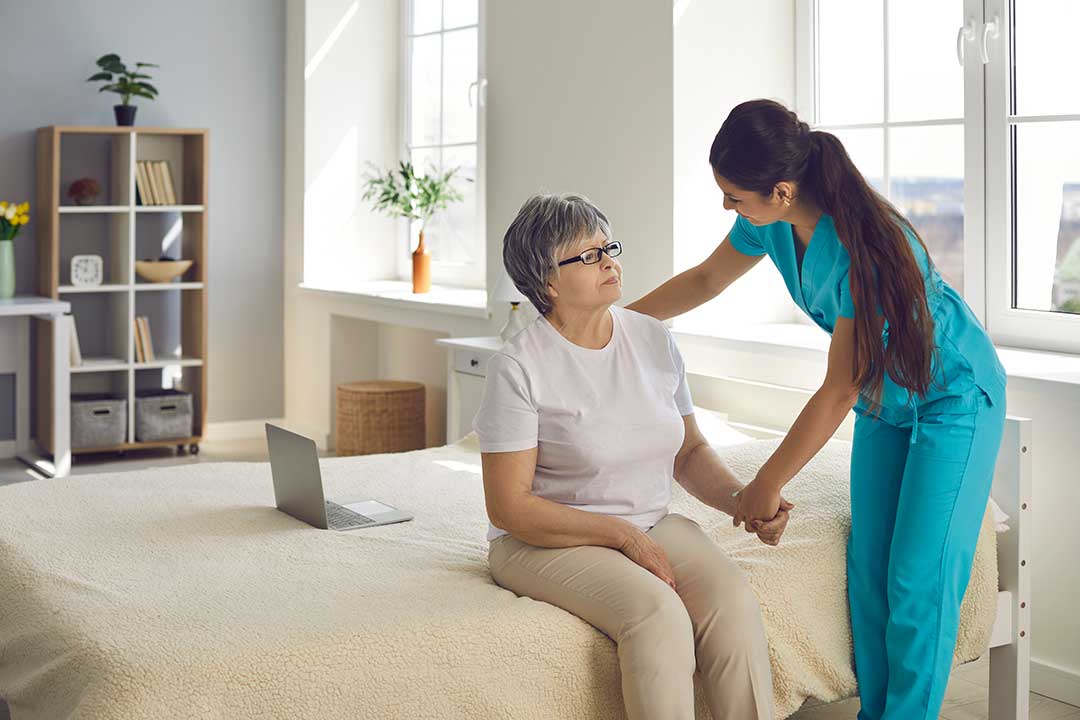
A familiar activity is often more motivating than a generic exercise class. Someone who enjoyed cooking, working with tools, caring for plants, listening to music, or watching local seasons change may respond well when those interests are included in daily programming.
Why are social activities part of an active lifestyle?
Social participation is a form of activity because it encourages residents to leave their rooms, communicate, make decisions, and maintain relationships. Conversation groups, card games, shared meals, music programs, and creative activities can reduce isolation while supporting mental engagement.
Social activities may also make movement feel worthwhile. A resident may be more willing to walk to a gathering than to walk solely for exercise. Regular contact with others can provide motivation, recognition, and a reason to maintain a daily routine.
This can be valuable for older adults who have experienced changes in transportation, employment, caregiving responsibilities, or household size. Assisted living may provide more predictable opportunities to interact without requiring a long drive or complicated planning.
How do outdoor activities work in a place with changing seasons?
Outdoor activity needs to reflect local weather and ground conditions. In and around Huntingdon, seasonal changes may affect temperature, daylight, snow, ice, rain, and walking-surface safety.
During warmer months, residents may enjoy supervised walks, shaded seating, gardening, or time in an outdoor courtyard. In colder months, activity may shift indoors, or outdoor time may be limited to favorable conditions. Appropriate clothing, hydration, sun protection, and rest areas are practical considerations.
Ice and uneven surfaces deserve particular attention. A resident who is steady indoors may be less stable outside after freezing weather or heavy precipitation. Outdoor activities should be postponed or modified when paths are slick, poorly lit, or difficult to navigate.
Does assisted living replace personal responsibility for staying active?
No. Assisted living can provide structure and support, but residents still benefit from expressing preferences and participating in decisions about their routines.
Families can help by sharing information about an older adult’s interests, former hobbies, usual activity level, and concerns about falls or fatigue. Residents can also communicate what feels enjoyable, uncomfortable, boring, or overly demanding.
It is reasonable to ask whether activities are offered at different ability levels, whether residents can rest without embarrassment, and how individual safety concerns are addressed. A strong activity program should encourage participation without pressuring someone to exceed personal limits.
What misconceptions should families avoid?
One common misconception is that activity must involve formal exercise. In practice, daily movement, social involvement, and purposeful tasks all contribute to an active lifestyle.
Another misconception is that a resident must be fully independent to participate. Activities can often be adapted for people who need reminders, supervision, mobility assistance, or seated options.
It is also a mistake to assume that more activity is always better. Rest, recovery, and medical limitations matter. The goal is consistent, appropriate engagement that supports quality of life and daily function.
For older adults considering assisted living, the most useful question is not whether the setting offers a long list of activities. It is whether residents can find safe, meaningful ways to move, connect, and participate at a level that fits their abilities and interests.
